Load the Deep Freeze: A Working System for Dinners That Wait in the Wings
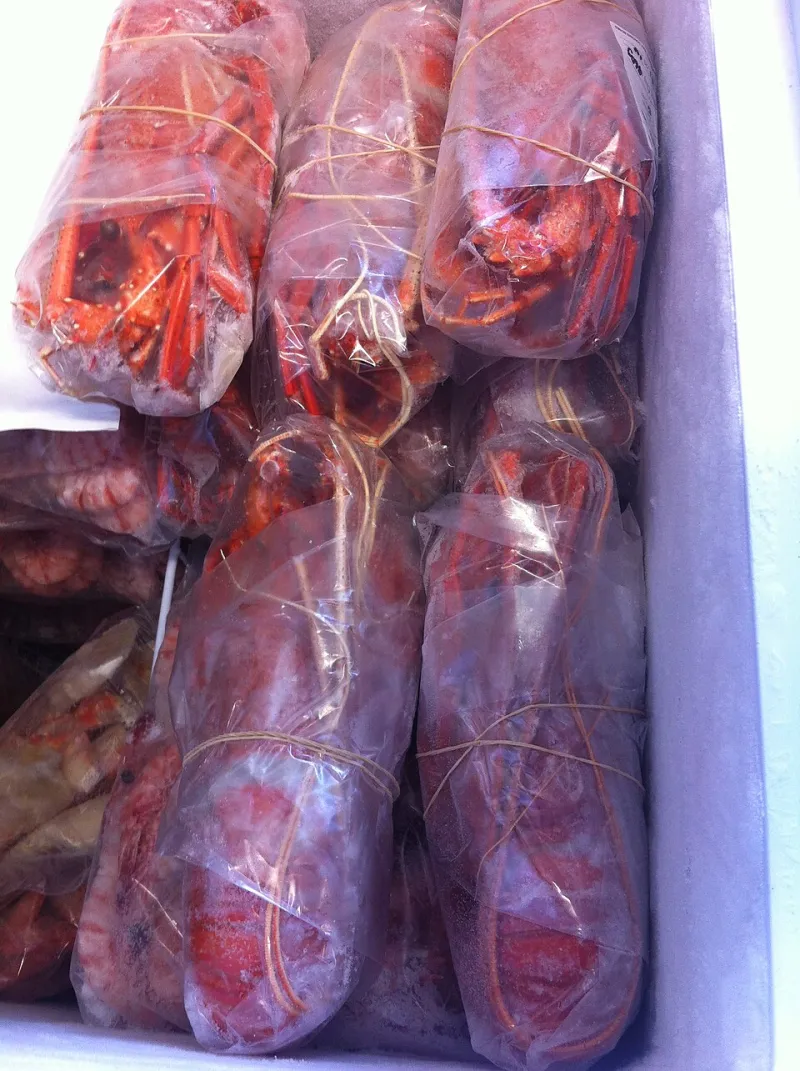
Photo: WestOz, CC BY-SA 3.0, via Wikimedia Commons
Open your freezer right now. If you see a bag of frostbitten peas, half a loaf of bread from who-knows-when, and a foil-wrapped something you're honestly a little afraid of, congratulations — you have what we call a junk drawer with a door. Let's fix that.
A well-stocked freezer is the closest thing a home cook has to a cheat code. It's future-you doing a favor for present-you. But it only works if you treat it like a pantry, not a landfill. That means a plan, a labeling habit, and a rotation system simple enough to run on a Tuesday when you're starving.
Freeze the Heroes, Not the Experiments
Not everything survives the deep freeze equally. Some foods come out of the cold better than they went in — richer, more convenient, practically begging to be reheated. Build your freezer around these champions:
- Braises and chilis. Short rib ragù, beef barbacoa, chicken cacciatore, a Texas-style chili. Slow-cooked sauces and stews actually improve after a freeze-thaw because the flavors settle in.
- Meatballs. The single greatest freezer citizen in America. Cook them through, freeze them on a sheet pan, then bag them. From frozen, they go straight into sauce.
- Enriched doughs. Brioche, pizza dough, cinnamon roll dough — the butter and eggs in them freeze beautifully. Thaw overnight in the fridge, and you're a rise away from fresh bread.
- Broths and stock. Freeze in quart containers or even muffin tins for flavor bombs you can drop into anything.
- Cooked grains and beans. Brown rice and beans reheat better than most people expect, and having them on hand cuts weeknight cooking time in half.
- Cookie dough balls. Not dinner, but future-you deserves joy too.
What stays out of the freezer? Anything with a high water content that you want crisp — lettuce, cucumber, raw tomatoes. Cooked potatoes turn grainy. Cream-based sauces can split unless you reheat them low and slow with a whisk. Fried foods lose the crunch that makes them worth eating. And never, ever freeze a fully assembled casserole with a crunchy topping; add the topping fresh.
The First In, First Eaten Rule
Here's the dirty secret of every sad freezer: the food at the bottom is the food that got forgotten. The fix is a system so easy you can't screw it up. Call it First In, First Eaten.
- Label everything with contents and date. Painter's tape and a Sharpie live in the drawer next to the freezer. No exceptions, not even for the thing you're "totally going to remember."
- New goes in the back, old comes forward, just like the grocery store does it. When you add this Sunday's braise, you physically move last month's meatballs to eye level.
- Freeze flat when possible. Soups and sauces in flat zip-top bags stack like books and thaw in a fraction of the time. A flat freezer is a functional freezer.
- Do a monthly 60-second audit. Once a month, glance at everything in there. Anything creeping past three months gets pulled into this week's dinner plan.
That's it. Four habits, none of which take longer than a minute.
Your Freezer Shopping List
Ready to build a real stockpile? Here's your starter run:
- Two pounds of ground beef or turkey for a double batch of meatballs
- A chuck roast destined for braise — cook it all, eat half, freeze half
- Chicken thighs (they freeze and reheat far better than breasts)
- A big pot of marinara or Sunday sauce, portioned in pints
- Pizza dough, divided and oiled
- A quart each of chicken stock and beans
- One emergency bag of frozen peas (ironic, but they earn their keep)
The Payoff
The first time you walk in the door at 6:30, remember you have nothing planned, and then pull a pint of braise out of the freezer and have dinner on the table by 7 — you'll get it. That's not leftovers. That's a version of you from a more organized weekend sending a care package through time.
Stock it like you mean it, label it like a pro, and let the freezer do the heavy lifting. Full plates, zero panic.