Nobody's Judging: The Snack Board Is a Real Dinner and It's Time We Admitted It
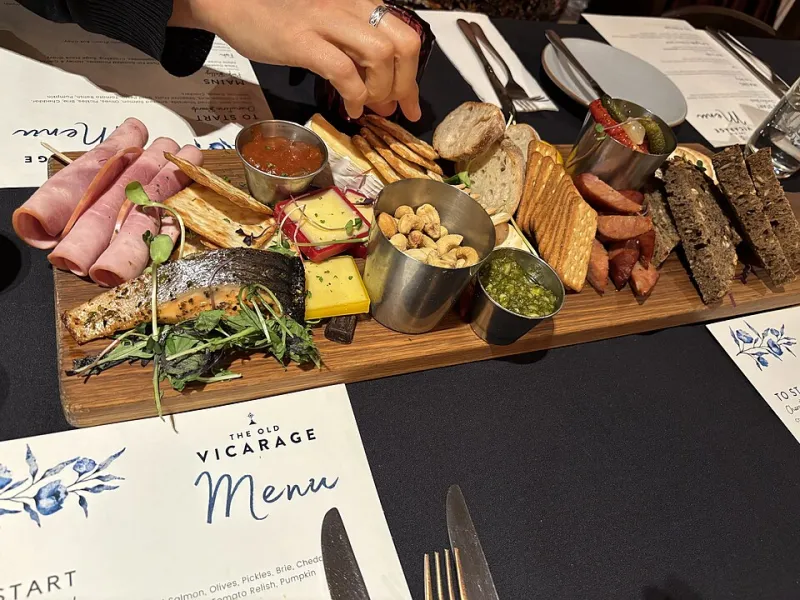
Photo: Paora, CC0, via Wikimedia Commons
Somewhere along the way, we let an imaginary dinner rulebook convince us that a meal only counts if it involves a protein, a starch, and a vegetable arranged on a plate like a museum exhibit. Meanwhile, some of the best dinners of your life were eaten standing at a kitchen island, tearing off a hunk of bread and dragging it through something creamy.
It's time to say it plainly: the snack dinner is a legitimate meal. Not a fallback. Not a cop-out. A dinner you chose, on purpose, with a full plate in front of you.
Why the Board Wins on a Tuesday
Think about what a good snack dinner actually is: a bunch of small jobs instead of one big one. No single dish needs an hour in the oven. No recipe requires you to read it twice. You slice, you roast, you arrange, and suddenly there's food for four on the table in the time it takes to stream half a sitcom episode.
There's also something psychological going on. A spread invites people to eat at their own pace, take what they want, and go back for more. Nobody's negotiating over the last chicken thigh. The table just... works. For families with picky kids, roommates with opposite schedules, or couples who can't agree on a cuisine, a board is the dinner equivalent of a peace treaty.
And honestly? It's the most honest cooking there is. No sauce to hide behind, no presentation tricks. Just ingredients that have to stand on their own.
The Framework: How to Build a Board That Feeds Four
A snack dinner collapses into a sad pile of crackers if you don't give it structure. Here's the formula we use — five stations, roughly:
- Something substantial. This is the anchor. A block or two of cheese, a pile of sliced salami and prosciutto, marinated white beans, or a tray of roasted chicken thighs chopped into chunks. Aim for about 12 to 16 ounces total of hearty stuff.
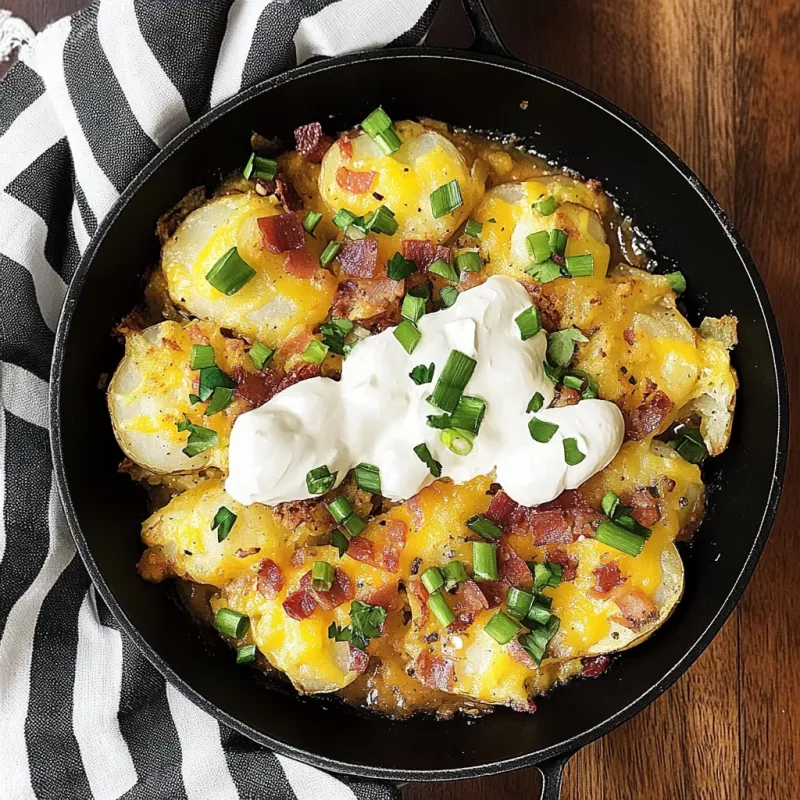
- Something warm. Non-negotiable. Warm bread, roasted vegetables, blistered tomatoes, or a tray of potato wedges. Cold boards are appetizers. Warm boards are dinner.
- Two dips or spreads. Hummus, whipped ricotta, ranch, tzatziki, a quick olive tapenade. Dips are what make a board feel generous instead of scattered.
- A fruit or vegetable situation. Grapes, apple slices, cucumber rounds, cherry tomatoes, pickled anything. You need the bright, crunchy counterpoint.
- The crunchy finisher. Crackers, pita chips, breadsticks, seasoned nuts. Fill the gaps with these, not with more money spent on cheese.
The warm element is the difference between "we're snacking" and "this is dinner." A sheet pan of roasted broccoli and carrots at 425°F for about 20 minutes transforms the whole operation.
The Budget Talk: You Don't Need $40 Cheese
Here's the grocery-store truth nobody at the cheese counter will tell you: supermarket cheddar, pepper jack, and a log of goat cheese do just as much work as the fancy stuff once there are dips and bread involved. Buy one cheese you're excited about and two workhorses. Done.
Same goes for cured meat. Pre-sliced salami from the deli aisle beats the boutique stuff for a Tuesday, especially when you crisp a few slices in a skillet for 30 seconds — instant flavor upgrade for zero extra dollars.
The real money-saver is building boards around what's already in your fridge. Half a jar of olives, the last of the baby carrots, that lonely block of cream cheese whipped with honey — boards are where leftovers go to become dinner.
Three Boards to Get You Started
The Mediterranean. Hummus and whipped feta as your two dips, warm pita cut into wedges, cucumber, cherry tomatoes, kalamata olives, roasted red peppers from a jar, and a can of chickpeas tossed with lemon and olive oil. Feels like a vacation, costs about what a pizza delivery would.
Game Night. This one leans fun. Buffalo chicken dip or a warm queso, potato chips and pretzels in bowls, celery and carrot sticks, slider-sized meatballs, sharp cheddar cubes, and a batch of honey-mustard for dragging everything through. Built for the couch, the playoff game, and zero pretension.
The Sunday Fridge Cleanout. The most honest board of all. Whatever vegetables are on their last leg get roasted. Whatever cheese ends are rattling around the drawer get sliced. Leftover rice becomes quick fried rice bites or gets scooped into a bowl alongside. A can of beans mashed with garlic becomes a spread. This board changes every week, and that's the point — nothing goes to waste and dinner still feels like an event.
Serve It Like You Mean It
Pull out the actual wooden board, the big platter, the nice bowls — whatever you've got. Half the magic of a snack dinner is that it looks abundant, and abundance is the whole philosophy around here. Set everything out at once, put a spoon in every dip, and let people graze until the board is picked clean.
A snack dinner isn't giving up on cooking. It's realizing that dinner was never about the plate structure in the first place. It's about a table full of food and people who keep coming back for more.