Your Leftovers Deserve Better: The Reheating and Reinventing Playbook
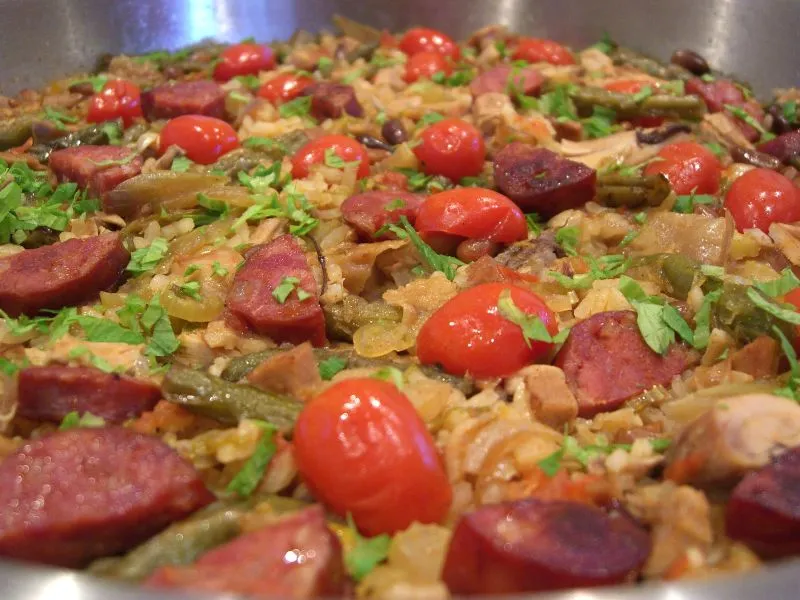
Photo: Alpha from Melbourne, Australia, CC BY-SA 2.0, via Wikimedia Commons
If you cook like we do — big pans, generous portions, a fridge full of tomorrow — you've probably met the enemy: the sad, microwaved, gray-looking leftovers that taste like a compromise. Here's the truth nobody tells you. Leftovers don't get worse with time. They get worse with bad technique.
This is the playbook for making day-two food taste like day-one food, or better.
Why Rice Deserves Special Treatment
Cooked rice goes through a process called retrogradation: as it cools, the starch molecules realign and harden, which is why day-old rice turns dense and chalky. The fix isn't more microwave time — it's moisture and steam.
Add a tablespoon of water per cup of rice, cover it loosely, and microwave in short bursts, letting the trapped steam rehydrate the grains. Or better yet, skip reheating entirely: day-old rice is the ideal candidate for fried rice. Cold, firm grains stay separate in a screaming-hot wok instead of turning to paste. This is the rare case where yesterday's rice beats today's.
The Crispiness Recovery System
Anything fried or roasted — chicken skin, potato edges, pork belly — loses its crunch in the fridge because moisture migrates out of the food and into the surface. Microwaving makes it worse by steaming the very texture you're trying to save.
Instead, use dry, high heat:
- Oven or toaster oven at 400°F for roasted vegetables, pizza, and anything breaded. Ten minutes on a wire rack, not a flat sheet, so air circulates underneath.
- Skillet with a lid for fried chicken and cutlets. A little oil, medium heat, lid on for two minutes to warm the center, lid off to re-crisp the crust.
- Air fryer if you own one. It exists for exactly this problem.
The microwave has a role — just not for anything you want crunchy. Use it for soups, braises, and saucy dishes, then finish with texture: toasted breadcrumbs, fresh herbs, a squeeze of lemon.
Braises Are Ingredients, Not Meals
Here's where leftovers stop being leftovers. A pot of braised short rib or carnitas isn't one dinner — it's a base camp for four more.
- Shred it and crisp it. Leftover braised beef pressed into a hot skillet until the edges caramelize turns into the best taco filling you've ever had.
- Braise it into a sandwich. Pile it on a roll with provolone, broil until the cheese surrenders.
- Simmer it into a sauce. Chop it fine, add it to a quick tomato sauce, and toss with rigatoni.
- Fold it into fried rice or fried potatoes. Yesterday's protein, today's hash.
The science works in your favor here: chilled braises firm up, which makes them easier to shred, slice, and sear. Cold leftovers are actually easier to work with than fresh.
Storage Is Half the Battle
Revival starts the night before. Cool food quickly, store it in shallow containers, and keep sauces separate from anything crisp — dressing on the side means a salad that doesn't weep. Label everything with the date; the USDA's guideline of three to four days in the fridge is a good ceiling for cooked meats and casseroles.
Freeze what you won't reach in time. Braises, soups, and chili freeze beautifully, and thawing overnight in the fridge beats the microwave every time.
The Manifesto Part
A sad desk lunch isn't a fact of life. It's what happens when generous cooking meets lazy reheating. You already did the hard part — you cooked a full plate's worth of food. Give it the same respect on day two: add moisture where it's dry, add heat where it's soft, add texture where it's flat.
Cook big. Reheat smart. And never let a container of good food go to waste on a technicality.