Build a Pantry So Stocked, Cravings Don't Stand a Chance
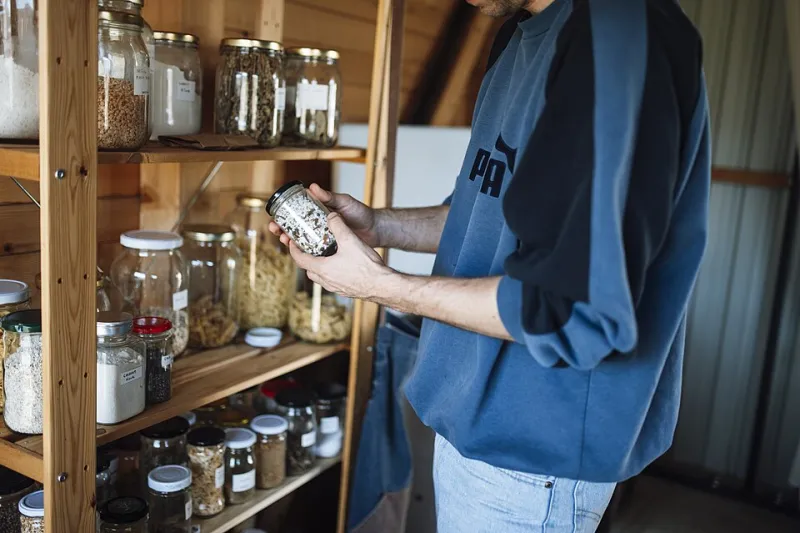
Photo: Shixart1985, CC BY 2.0, via Wikimedia Commons
The best cooks I know aren't the ones with the fanciest knives. They're the ones who can open a seemingly empty kitchen at 6 p.m. on a Tuesday and still put a real dinner on the table. That's not talent — that's inventory. Here's how to build a pantry and freezer that can absorb any craving, any budget, and any weeknight chaos.
Think in Building Blocks, Not Recipes
Stop shopping for meals and start shopping for components. A can of black beans isn't a meal, but black beans plus rice plus a jarred salsa plus a lime equals dinner. Every staple in your kitchen should be able to pair with at least three other staples you own. That's the whole game.
The Foundation Layer: Shelf Staples
These are your non-negotiables:
- Beans and legumes: Black beans, kidney beans, chickpeas, and lentils (dry lentils cook in 25 minutes and cost pennies)
- Grains: Long-grain rice, jasmine rice, rolled oats, pasta in two shapes, and quinoa if you're into it
- Canned tomatoes: Whole peeled and crushed — whole gives you more flexibility
- Stock: Better Than Bouillon jars beat boxed broth on price, space, and flavor-per-dollar
- Oils and vinegars: Olive oil, neutral oil, apple cider vinegar, red wine vinegar
- Shelf-stable flavor bombs: Soy sauce, Dijon, hot sauce, honey, peanut butter, canned coconut milk
The Aromatics Layer: Fresh But Long-Lasting
Onions, garlic, and potatoes live happily for weeks in a cool, dark spot. Add lemons, limes, and a hunk of Parmesan, and you can build pan sauce, vinaigrette, or a pasta dinner out of thin air. Ginger root freezes whole — grate it straight from the freezer.
The Freezer Layer: Your Insurance Policy
Your freezer is where meal prep goes to work:
- Frozen vegetables: Peas, spinach, edamame, and corn are frozen at peak quality and outperform their sad fresh counterparts in February
- Proteins: Chicken thighs, ground beef, shrimp, and pork shoulder, portioned into meal-size bags
- Homemade stock: Save bones and veg scraps in a freezer bag until it's stock-making time
- Cooked grains: Freeze rice and beans flat in bags; they reheat in minutes
Tiered Shopping: Three Budgets, One System
Starter tier (~$50): Rice, dried lentils, two cans each of beans and tomatoes, oats, pasta, soy sauce, oil, vinegar, garlic, onions, frozen peas and spinach, chicken thighs. This alone covers a dozen dinners.
Standard tier (~$100): Everything above, plus Better Than Bouillon, coconut milk, Dijon, honey, quinoa, frozen shrimp, cornmeal, canned chipotles, and a block of Parmesan.
Loaded tier (~$175): All of the above, plus specialty pastas, multiple hot sauces, good olive oil, saffron if you're feeling rich, a vacuum sealer habit, and enough freezer proteins to ride out a whole month.
The Rescue Meal Flowchart
When it's 6:30 p.m. and you've got nothing planned, run this sequence:
- Do you have a protein? (Frozen counts.) If yes → go to 2. If no → beans or lentils are your protein.
- Do you have a grain or pasta? If yes → start the pot. If no → potatoes, or skip starch and double the protein.
- Do you have canned tomatoes? Yes → you're making a braise or a pasta sauce. No → check for coconut milk (curry territory) or stock (soup or pan sauce).
- Add aromatics. Onion and garlic hit the oil first, always.
- Finish with acid and something salty. Vinegar or citrus at the end, cheese or soy sauce for depth. This two-step is what separates flat food from food that tastes intentional.
Ten minutes of active cooking later, you're eating a full plate instead of scrolling a delivery app.
Maintenance: Keep the System Alive
Once a month, do a ten-minute audit: what's running low, what's been ignored, what needs using. Cook one meal per week purely from what needs to go — beans on the edge, that half bag of frozen corn. The pantry isn't a museum; it's a working system, and it only pays off if you keep it stocked and keep it moving.
Stock it right, and the question stops being "what's for dinner?" and becomes "which dinner do I feel like?" That's the kind of problem worth having.