One Pot, Every Season: Making Peace With the Heaviest Thing You'll Ever Buy

Photo: Unknown, Public domain, via Wikimedia Commons
Every kitchen drawer in America has a graveyard: the avocado slicer, the corn stripper, the air fryer accessory you used twice. And yet somewhere in your kitchen — maybe on the stovetop, maybe exiled to the bottom cabinet — sits a piece of equipment that has been quietly doing the job of a dozen gadgets for three centuries. The dutch oven doesn't have a cult following so much as a congregation. And once you cook with one regularly, you understand why.
The Pot That Refuses to Retire
Think about how many cooking trends have come and gone since your grandmother's time. Now multiply that by about twelve generations. The dutch oven traces its lineage back to the early 1700s, when an Englishman named Abraham Darby refined the casting process after studying Dutch foundry techniques — hence the name. French cookware makers like Le Creuset came along in the 1920s and added the enamel coating that made the pot both rugged and gorgeous.
What's remarkable isn't that the dutch oven survived. It's that nothing has managed to replace it. Slow cookers promised set-it-and-forget-it convenience. Pressure cookers promised speed. Nonstick pans promised easy cleanup. The dutch oven just kept doing what it does: searing, braising, baking, frying, and holding heat like nothing else on the market.
Why Heavy Wins
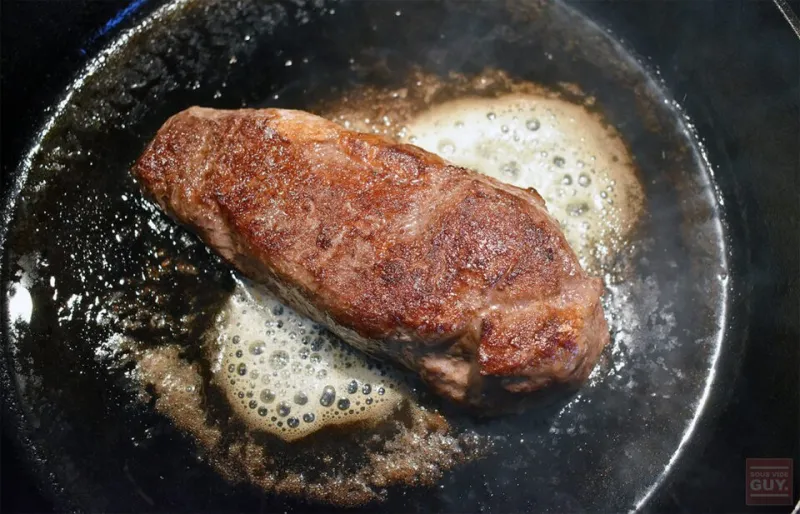
Here's the physics, minus the lecture. A heavy cast iron or enameled pot absorbs heat slowly and releases it just as slowly. That thermal mass is the whole magic trick. When you drop a cold chuck roast into a screaming-hot dutch oven, the temperature barely dips — so you get a real sear, with the browned crust that carries most of a braise's flavor. When you move the pot to a 300°F oven for three hours, the thick walls eliminate hot spots, so the bottom doesn't scorch while the top coasts.
Thin pots punish you for walking away. Heavy pots forgive you. If you cook the way most busy Americans do — start dinner, help with homework, come back to the stove — that forgiveness matters more than any spec sheet.
Four Seasons, One Pot
The dutch oven isn't a cold-weather-only purchase, despite what the autumn recipe cycle would have you believe. It earns its counter space all year.
Winter is the obvious showcase: beef bourguignon, white bean soup with a parmesan rind dropped in, chili that simmers until the flavors stop arguing with each other. A pot roast with carrots and potatoes is basically a complete dinner in one vessel — the Full Plate way.
Spring calls for braised chicken thighs with lemon and artichokes, or a spring stew built around new potatoes and peas. Gentle braising is exactly what tender spring vegetables want.
Summer might surprise you, but hear this out: a dutch oven is the best deep-fryer you already own. Fried chicken, chicken-fried steak, hush puppies — the heavy walls keep the oil temperature steady, which is the difference between crispy and greasy. And since the pot holds heat, you're not blasting the AC to compensate for a stovetop running on high for an hour.
Fall brings back the braises, but also the bread. No-knead dough proofed overnight and baked inside a screaming-hot dutch oven produces a crusty, bakery-quality loaf that makes people think you've been secretly training in France.
The Buyer's Guide: Three Price Points
You don't need to spend $400 to join the congregation. Here's the honest breakdown.
Budget (under $60): Lodge's enameled dutch ovens are the workhorse pick, and the classic bare cast iron Lodge costs even less. The enamel on budget models can chip with rough treatment, but with basic care — no thermal shock, no metal utensils scraping hard — it lasts years. If you're unsure you'll use it, start here.
Mid-range ($80–$150): This is the sweet spot. Brands like Cuisinart, Tramontina, and Lodge's higher-end lines offer thick walls, tight-fitting lids, and enamel that holds up to daily use. Tramontina in particular has repeatedly performed alongside pots costing three times as much in independent tests.
Premium ($250+): Le Creuset and Staub. You're paying for decades of enamel durability, a lifetime warranty, tight-lid design (Staub's self-basting spikes are genuinely clever), and a pot your grandkids will inherit. If cooking is your love language and your budget allows it, this is a buy-once purchase.
Whatever you choose, get a 5.5 to 7-quart pot. Smaller and you'll hit the ceiling on every braise; bigger and it won't fit in your oven. A light interior enamel lets you actually see what's browning — a small thing you'll appreciate every time.
A Fair Word of Caution
No pot is perfect. Dutch ovens are heavy — a full 6-quart enameled pot can weigh 20 pounds before dinner goes in. The enamel can chip if you bang it around or shock it with cold water. And it should never go in the dishwasher, no matter what a hopeful product listing claims. Hand wash, dry it, done.
But compare that to a nonstick pan, which is functionally a rental with a two-year lease. The dutch oven is the opposite: a purchase that gets better the longer you own it, because the seasoning of use — the fond, the history, the Sunday dinners — accumulates in ways that can't be manufactured.
The Bottom of the Plate
At Full Plate, we believe a great dinner starts with equipment that pulls its weight — literally, in this case. The dutch oven isn't nostalgic or trendy; it's simply the most versatile single purchase in cookware, full stop. It sears your meat, bakes your bread, fries your chicken, and carries your leftovers into tomorrow with a lid on top.
Clear a spot on the stovetop. Leave it out where you can see it. A pot this useful deserves to be in the lineup, not in storage — and once it's there, you'll wonder what took you so long.