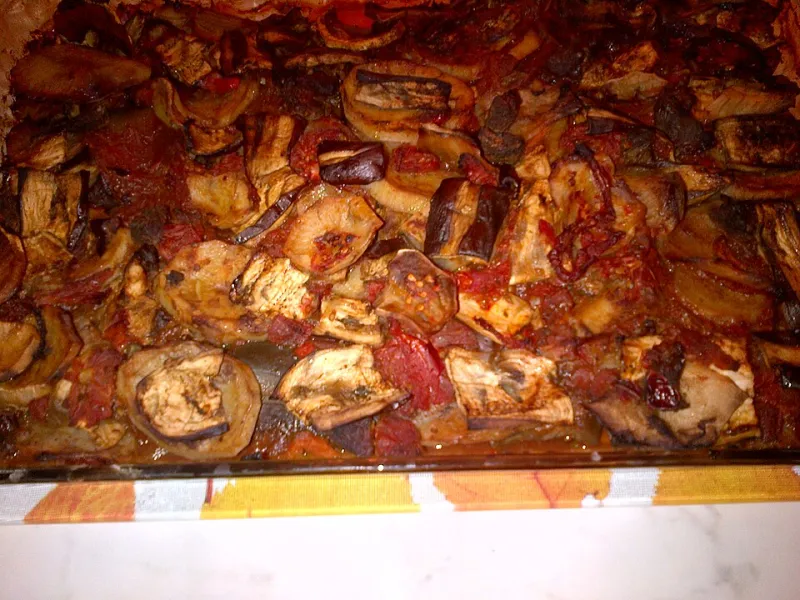
Plate Audit Time: Where Did Half Your Dinner Actually Go?

Photo: Igor123121, CC BY 4.0, via Wikimedia Commons
Pull up a chair and look at your last dinner. Not the memory of it — the actual plate. If you're like most American home cooks, somewhere between a third and half of that plate was doing absolutely nothing for you. A smear of sauce. Four asparagus spears standing at attention like they're auditioning. A 'side salad' that's mostly shredded iceberg and regret.
We call these filler zones, and once you see them, you can't unsee them.
The Audit: How to Map Your Plate Like You Mean It
Nutritionists do food diaries. We do something better: a plate audit. Grab a plate from last night — or make tonight's dinner and photograph it before you eat — and mentally divide it into four quadrants. Then label every element with brutal honesty:
- The Anchor: the protein or main event. The thing you'd actually miss if it vanished.
- The Payload: starches, vegetables, grains — the food that makes the anchor stretch into a meal.
- The Filler: garnishes, decorative sauce smears, the three spears of asparagus that arrived via the same truck as everyone else's.
- The Empty Zone: literal bare ceramic. Space a restaurant would charge you $32 for.
Now count. If your filler plus empty zone adds up to more than 40% of the plate, congratulations — you've been eating a plate that's 40% performance art.
This isn't about eating more calories. It's about eating more plate. There's a difference. A plate full of roasted potatoes, braised greens, and a proper piece of chicken can be the same calories as a thimble of short rib balanced on a cloud of foam. One of them sends you to bed satisfied. The other sends you to the pantry at 9:45 p.m.
Why Our Plates Got So Shy
We didn't invent this. We inherited it from restaurant plating culture, where negative space reads as elegance and a protein the size of a deck of cards photographs beautifully. Fine dining logic — built for a five-course tasting menu — leaked into fast-casual bowls, then into frozen meal boxes, then quietly into our own kitchens.
Then there's portion creep in reverse: recipes that serve 'four' with two cups of finished food. Cook from enough of those and you start to believe a dinner plate should look light, airy, tasteful. Your stomach disagrees, and your stomach has been right this whole time.
Fix #1: Retire the Garnish, Promote the Vegetable
Three asparagus spears is a garnish. A pound of asparagus, roasted hard until the tips crisp, is a side dish that earns its quadrant. The fix is almost always quantity plus technique. Braise the greens with garlic and a splash of vinegar. Char the broccoli until the edges go black and sweet. Vegetables treated with ambition stop being filler and start being the part of the plate you look forward to.
Fix #2: Let the Starch Do Real Work
A half-cup of rice is a rumor. A proper bed of buttered egg noodles, creamy polenta, or skillet-fried potatoes is infrastructure. Starch is the cheapest, most reliable way to turn a solo protein into a full-table dinner — and it's the quadrant home cooks most often shortchange because some diet culture ghost is whispering about carbs. Feed the people at your table. That includes you.
Fix #3: Sauce Is Not Decoration
A sauce smear that arcs across the rim of the plate is a garnish. A sauce that coats the food — gravy over mashed potatoes, pan sauce pooled under the pork chop, salsa verde spooned on generously — is flavor architecture. If your sauce only exists to look pretty, either use enough of it to matter or skip it and build a sauce worth ladling.
The Rebuild: One Honest Plate, Mapped
Here's what a post-audit plate looks like. Take a simple roast chicken thigh situation:
- Anchor: two crispy-skinned thighs, not one.
- Payload: a big scoop of garlicky smashed potatoes plus a heap of braised cabbage with caraway.
- Sauce: the pan drippings, deglazed with a splash of stock and spooned over everything without restraint.
- Empty zone: a modest border, because food needs room to breathe — not a moat.
Same ingredients as the timid version. Completely different dinner. The plate gets scraped clean not because you overate, but because everything on it had a job.
Run the Audit Monthly
Make it a habit: one photo, four quadrants, honest labels. Most of us drift back toward shy plates within a few weeks — old habits are sneaky like that. The audit catches the drift before it becomes the default.
Your plate should never be a diorama of what dinner could have been. Fill the quadrants. Feed the table. Leave the negative space to the art museums.