Shrink Ray Nation: How Portions Got Quietly Smaller and Why Your Kitchen Is the Counterattack
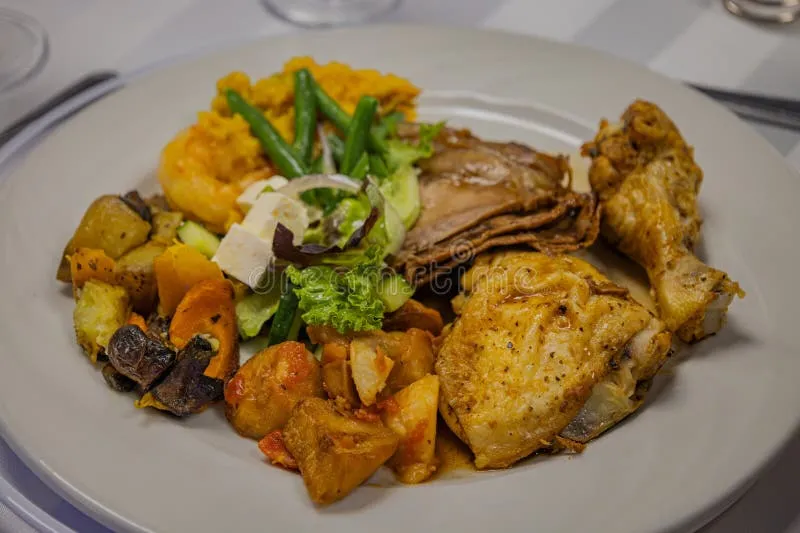
Photo: generous hearty home cooked dinner plate abundant food, via thumbs.dreamstime.com
Somewhere in the last decade, without a press release or a price cut, your favorite restaurant started serving you less. The pasta portion got daintier. The entrée arrived on a bigger plate so it would photograph like more. The grocery bag felt lighter even though the receipt didn't. Nobody announced it. Nobody refunded you a dime.
We noticed. And honestly, we're a little fed up.
The Great Quiet Shrink
Economists have a term for this: shrinkflation. Instead of raising prices — which customers notice and complain about — companies quietly reduce the amount you get and keep the price tag the same. Your bag of chips went from 16 ounces to 14.5 to 13. That pint of ice cream became 14 ounces and pretended nothing happened. Cereal boxes got taller and thinner, like they've been on a diet you didn't approve.
Restaurants played the same game with different props. Portions shrank under the cover of "plating" and "tasting menu sensibility." A $28 entrée that would've fed you with a doggy bag five years ago now needs a side order to get you through the parking lot. And the price of that side order? Also up, of course.
Why It Happened (Spoiler: It's Math)
Let's be fair to the other side for a second. Food costs jumped hard after 2020 — labor, freight, packaging, the whole supply chain lit up like a Christmas tree. Restaurants operating on notoriously thin margins had to do something. Cutting portion size is the least visible lever they could pull.
But here's the thing: a lot of this predates the pandemic. Portion management became a profit strategy long before inflation gave everyone cover. Food cost is typically 28 to 35 percent of a restaurant's plate price, so shaving two ounces off every entrée across thousands of plates is a genuine windfall — and the customer, staring at an artfully arranged smear of short rib, has no baseline to compare against. Grocery shrinkflation works the same way: unit price labels are printed in fonts designed by people who hope you never read them.
Meanwhile, the marketing language got fancier. "Chef-driven small plates." "Right-sized portions." "Waste-conscious cooking." Some of that is legitimate sustainability work. Some of it is a $19 plate of three scallops wearing a sustainability halo.
The Case for the Full Plate
Here's our position, stated plainly: a meal should leave you satisfied. Not stuffed to the point of regret — satisfied. Fed. Done. Able to skip the 9 p.m. pantry raid.
There's real value in abundance that has nothing to do with gluttony. Sitting down to a generous meal is one of the oldest expressions of care in human history. Nobody's grandmother ever sent anyone home hungry on purpose. When portions shrink, what actually shrinks is the feeling that someone wanted you well fed.
And the economics at home are wildly different. A restaurant marks up food roughly three times. Your kitchen doesn't. That means every dollar you spend on groceries buys about three dollars' worth of restaurant-equivalent food. The full plate isn't a luxury — it's literally the cheapest option available to you.
How to Push Back Without Breaking the Bank
You can't control what a steakhouse charges for a six-ounce filet. You can absolutely control your own table. Here's how we'd do it:
Cook the cheap-and-generous staples. Rice, dried beans, potatoes, pasta, eggs, cabbage, chicken thighs, pork shoulder. These ingredients cost pennies per serving and form the backbone of nearly every beloved hearty cuisine on earth — Southern, Cajun, Mexican, Italian peasant cooking, you name it. Generosity and thrift have always been roommates.
Read unit prices, not sticker prices. The bigger bag is almost always a better deal per ounce. This one habit quietly undoes shrinkflation at the shelf.
Batch cook and bank the surplus. A big pot of chili or braised pork costs barely more to make in double quantity, and it means lunch tomorrow is free in the way that matters.
Stop apologizing for seconds. If someone in your house wants more, the answer is a bigger pot, not a lecture.
Vote with your wallet when you do eat out. The restaurants still plating real portions — the diners, the barbecue joints, the family-style Italian spots — deserve your business more than the ones charging tasting-menu prices for tasting-menu quantities.
The Rallying Point
Shrinkflation works because it's quiet and we're busy. But every time you put a genuinely full plate on your own table for a fraction of the restaurant price, you're opting out of the whole scheme. You're feeding your people the way food is supposed to feed people.
So load the plate. Refill it without ceremony. And if anyone asks where you learned to serve portions like that, tell them a food blog with strong feelings sent you.