Thaw Points: How to Freeze Food You'll Actually Be Excited to Eat
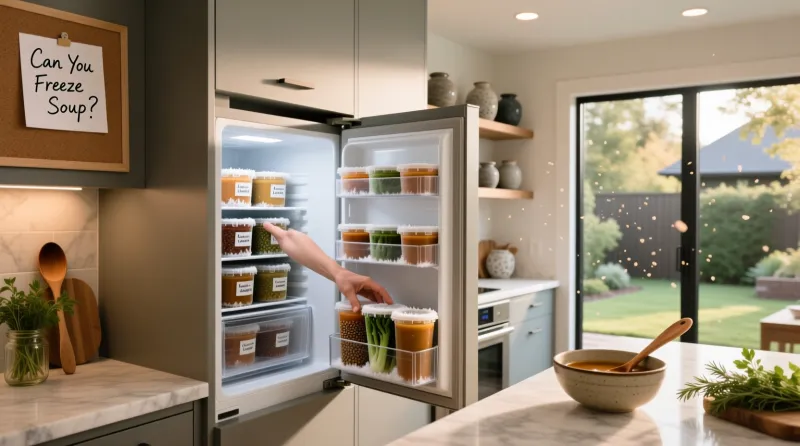
Photo: labeled freezer bags frozen soup flat stacked in freezer bin, via s.alicdn.com
There's a moment every home cook knows. You open the freezer looking for the ice cream, and instead you're staring down a foil-wrapped brick labeled only as "CHILI???" in a Sharpie that has since faded into illegibility. You have no idea how old it is. You have no memory of making it. You close the door and order a pizza.
That's the freezer working against you instead of for you. And here's the thing: it's not the freezer's fault. It's a system problem, and systems we can fix.
The Freezer Is a Pause Button, Not a Time Machine
First, let's kill the biggest myth: freezing food doesn't ruin it. Freezing food badly ruins it. The difference between a freezer stash you raid with excitement and one you avoid like a junk drawer comes down to three things: moisture, air, and timing.
Freezer burn isn't a food safety issue — it's a moisture issue. Ice crystals migrate out of your food, leaving dry, leathery patches behind. Every technique below exists to fight that one enemy.
Foods That Freeze Like They Were Born For It
Some dishes genuinely improve with a stint in the cold. Stock these like a pro:
- Braises and stews. Chili, beef bourguignon, pulled pork, curry. Flavors meld while frozen, and the fat re-emulsifies beautifully when reheated gently.
- Soups and broths. Freeze them in quart containers or laid flat in freezer bags. Leave an inch of headroom — liquids expand.
- Cooked beans and grains. Cook a full pot of rice, farro, or black beans, portion into bags, press flat, freeze. They reheat in minutes and taste fresher than anything from a can.
- Cookie dough and pie dough. Portion cookie dough balls, freeze on a sheet pan, then bag them. Fresh cookies on a Tuesday is a lifestyle upgrade.
- Shredded cooked meat. Chicken thighs, brisket, carnitas — portioned with a splash of cooking liquid to protect the meat.
- Tomato sauce and pesto. Pesto in ice cube trays, popped into a bag, gives you instant flavor bombs for months.
The Liars: Foods That Won't Survive the Freeze
Some foods will look you dead in the eye and promise they'll be fine. They will not be fine:
- Cooked pasta. It turns to mush. Freeze the sauce, cook the noodles fresh.
- Cucumbers, lettuce, raw tomatoes. High water content means cellular collapse. Salads do not freeze. Ever.
- Fried foods. The crust goes soggy no matter how you reheat it. (The air fryer helps, but it's damage control, not resurrection.)
- Potatoes in liquid dishes. They get grainy and weird. Add fresh potatoes when you reheat instead.
- Raw eggs in shells and mayonnaise-based salads. Just don't.
- Cream sauces. They can split. If you must, freeze the base without dairy and stir in cream at reheating time.
Freeze It Right the First Time
The work you do before the food goes in determines everything after:
- Cool it fast. Spread hot food in a shallow pan for 20–30 minutes before packaging. Trapping steam is how you manufacture ice crystals.
- Evict the air. Press freezer bags flat and squeeze out every pocket of air, or use a straw to suction the last bit out before sealing. Air is where freezer burn sets up shop.
- Freeze flat, stack like books. Flat bags stack vertically in a bin like files in a drawer. You can see everything at a glance, and nothing gets buried.
- Under-freeze portions, not boulders. A two-quart brick of chili takes a day and a half to thaw. Quart-sized portions thaw in a few hours and give you flexibility.
The Labeling Habit That Changes Everything
Here's the rule: if it's not labeled, it doesn't go in. No exceptions. The label needs three things — what it is, the date, and a reheat hint ("add splash of broth"). Painter's tape and a Sharpie live on top of the freezer. That's the whole system.
And adopt the two-month rotation rule: anything hitting the two-month mark either gets eaten this week or gets cooked into a new dish this weekend. Nothing in your freezer should ever become a stranger.
Thawing and Finishing: Where the Magic Actually Happens
The final secret is that almost nothing should go from freezer to table without a finishing touch. Frozen food is a component, not a finished plate:
- Thaw overnight in the fridge, never on the counter. For emergencies, seal the bag and submerge in cold water.
- Reheat low and slow on the stovetop, stirring. A splash of broth or water wakes up a sauce that's gone dense.
- Finish fresh. A squeeze of lemon, a handful of fresh herbs, a drizzle of good olive oil, a crack of pepper. These ten seconds of effort are the difference between "leftovers" and "dinner."
- Re-crisp with dry heat. Anything breaded or roasted gets a 400°F oven or air fryer, not a microwave.
Your Freezer, But Better
You don't need a bigger freezer or a vacuum sealer to make this work. You need flat-packed bags, honest labels, and a two-month rotation you actually follow. Do that for a month and the dynamic flips completely — your freezer stops being a guilt museum and becomes the most reliable line cook in your kitchen, always on standby, always ready to serve a full plate.