The Second Helping Doctrine: Why Refills Belong at Every Table
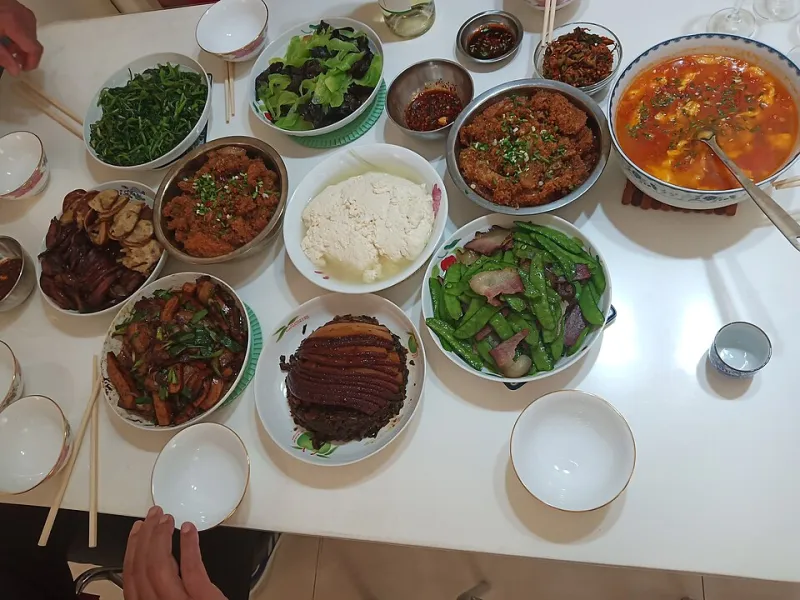
Photo: Jason M. C., Han, CC BY-SA 4.0, via Wikimedia Commons
Let's get one thing straight: the second helping is not a failure of self-control. It's a standing ovation.
Somewhere in the last few decades, refills picked up a bad reputation. Restaurant portions got fussy and precious. Dinner parties started plating like tasting menus — three bites of braised short rib arranged in a smear, gone before the conversation found its groove. And at home, a lot of us absorbed this weird idea that offering seconds is pushy, and taking them is something to apologize for.
We're calling nonsense on all of it. At Full Plate Culinary, the second helping isn't an indulgence. It's the metric we use to judge whether a meal actually worked.
The Empty Bowl Is the Highest Compliment
Think about the meals you remember. Not the ones photographed best — the ones that fed you. Grandma's chicken and dumplings where the pot never seemed to empty. The taco night where the tortilla stack sat in the middle of the table and everyone just kept going. The Thanksgiving plate you rebuilt at 8 PM because, honestly, round one was recon.
What those meals have in common is abundance without ceremony. Nobody portioned you. Nobody made you ask. The food was there, it was good, and taking more was understood to be exactly what the cook wanted.
That's the thing about a second helping: it's a conversation between cook and eater that doesn't require a single word. When someone goes back for more, they're telling you the meal landed. And when the cook beams while spooning out round two, they're saying I made this for exactly this moment.
How Family Style Got Lost
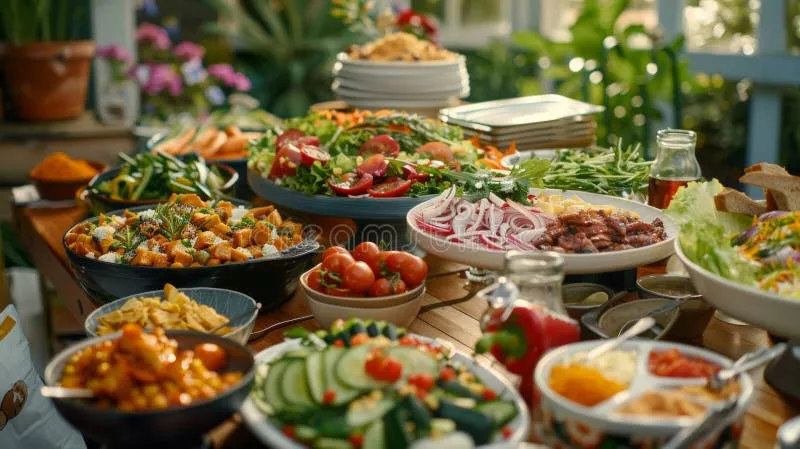
Family-style serving — platters and bowls set out on the table, everyone serving themselves — used to be the American default. Pot roast in the middle. Green beans passed left. Cornbread getting demolished before anyone touched the main event.
Then plating happened. Food magazines and cooking shows taught us to compose plates in the kitchen, restaurant-style, each one identical and finished. It looks great. It also quietly changed the dynamic at the table: when the food lives on the plate instead of the table, refills require a request. Someone has to stand up, walk to the kitchen, and essentially ask permission to enjoy dinner again.
Most people won't. And that's the quiet tragedy — meals that were good enough for seconds, dying on a composed plate.
Bring the food back to the table. Seriously, that's most of the fix. A big bowl of pasta, a platter of smoked brisket, a Dutch oven of chili set right down on a trivet in the center of things. When seconds are visible and reachable, they stop being a favor and start being dinner.
Cooking for Seconds: The Practical Math
If you want refills to happen, you have to plan for them. Here's the rule we cook by: make 150% of what the recipe calls for.
That sounds simple, but it changes how you shop and how you season. A few ways to put it into practice:
- Double the cheap stuff. Rice, beans, roasted potatoes, buttered noodles, crusty bread. Stretches are inexpensive, and they're the vehicle people load up on anyway.
- Build sauces and braises that improve on round two. Chili, red sauce, pulled pork, gumbo — these are engineered by history to be reheated and re-loved. If tonight's leftovers taste better tomorrow, your generosity pays you back.
- Serve from oversized vessels. A half-full big bowl looks abundant; a full small bowl looks like you ran out. Perception is hospitality.
- Keep one backup in the kitchen. A warm extra pot of soup or a foil-covered casserole on the stove edge means you never have to say "we're out" — the two saddest words in home cooking.
- Never make the guest do math. If you're serving six and you made exactly six portions, you've told everyone at the table to eat carefully. That's the opposite of a full plate.
The Real Reason Refills Matter
Here's our honest opinion: the second helping was never really about the food.
It's about what happens while people linger. The person who goes back for more is the person who stays at the table longer. And the table where people linger is where the actual living happens — the arguments that resolve, the news that finally gets shared, the third round of coffee nobody planned.
Scarcity ends meals. Abundance extends them. When a cook sends the unspoken signal that there's plenty — that the pot is deep and nobody's counting — the whole room relaxes. Shoulders drop. Conversations open up. That's not a nutrition strategy; that's hospitality in its purest form.
There's also something quietly democratic about it. At a family-style table, the kid can serve themselves, the hungry uncle can load up, and nobody's portion is anyone else's business. Everyone gets exactly what they need, and what they need is usually more than a tasting menu would ever allow.
A Modest Proposal for Your Next Dinner
This week, cook one meal at one-and-a-half times the recipe. Put every dish on the table, family style, with serving spoons. Then do the hardest part: say nothing when someone goes back. No "wow, you must have liked it," no commentary at all. Just pass the bread.
Watch what happens. The meal gets slower. The chairs stay occupied. Someone scrapes the bowl.
And when they do — when the dish comes back to the kitchen practically licked clean — you'll understand the doctrine. A great meal isn't measured by how beautiful the plate looked. It's measured by how many times it got filled.
Second helpings for everybody. That's the whole philosophy.