Five Dinners, One Pot: A Dutch Oven Education You Can Eat Your Way Through
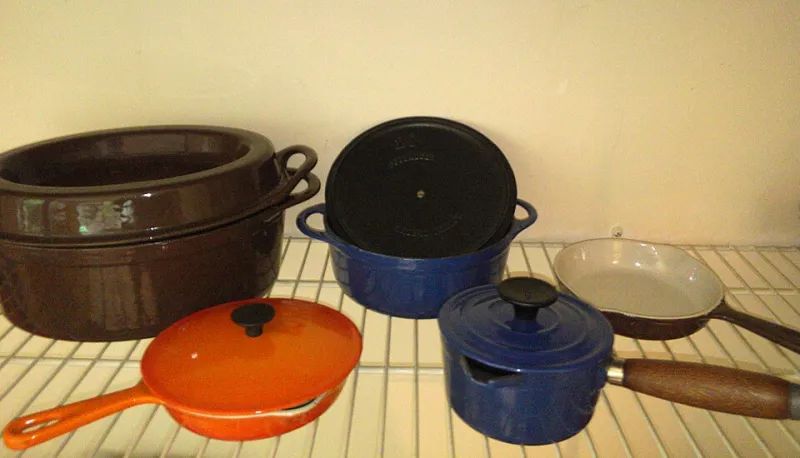
Photo: Fowler&fowler, CC BY-SA 3.0, via Wikimedia Commons
There's a certain type of person who buys a Dutch oven, uses it twice a year for a fancy braise, and then displays it like a trophy. I love those people, but I also want to stage an intervention. A Dutch oven is not a trophy. It's a workhorse with a lid, and if it's living on top of your fridge collecting dust, you're leaving half your dinner rotation on the table.
Here at Full Plate Culinary, we believe in cookware that pulls its weight — literally, in this case, because yes, it's heavy. We'll get to that.
The Pot That Does Everything (No, Really)
Think about what a Dutch oven actually is: thick walls, a heavy lid, and the ability to hold heat like a radiator holds a grudge. That combination means it can sear, fry, simmer, bake, and braise — often in the same meal without switching vessels.
Sunday morning, mine bakes a crusty loaf of no-knead bread. Sunday night, it simmers a pot of red beans. By Wednesday, it's smothering pork chops in onion gravy. Same pot. No ceremony required. That range is why I'll argue — and I will argue this anywhere — that if you can only own one piece of cookware, it should be this one. A skillet can't bake bread. A stockpot can't sear. The Dutch oven shrugs and does both.
Enameled vs. Bare Cast Iron: Pick Your Fighter
Walk into any home goods store in America and you'll see two camps. The enameled crowd, with their cherry-red pots and their French branding, and the bare cast iron loyalists who think seasoning is a lifestyle. Both are right. Here's the honest breakdown:
Go enameled if: you cook acidic things — tomato sauce, wine braises, chili with a lot of vinegar kick. The enamel coating won't react, won't rust, and cleans up with a soapy sponge. It's also the friendlier option if the idea of maintaining seasoning makes you sweat.
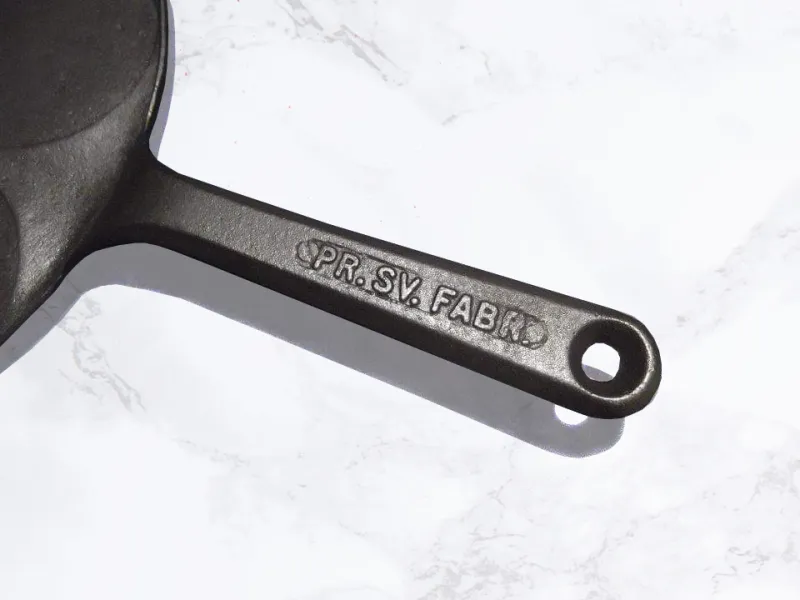
Go bare cast iron if: you want maximum sear, plan to fry chicken outdoors on a camping trip, or want a pot your grandkids will fight over. It's cheaper, tougher, and nearly immortal — but it demands a relationship. No long tomato simmers. Dry it immediately. Show it some oil now and then.
Or do what I did: buy one of each, used, and let them specialize. The enameled pot handles the saucy stuff; the black iron handles the fire.
The Weight Thing Is Mostly Nonsense
Let's kill a myth while we're here. People see a Dutch oven on the shelf and think, "I can't lift that." Then they buy a 7-quart monster they'll never fill. Here's the trick nobody tells you: weight matters most when the pot is empty. Once it's full of stew, you're not lifting it — you're stirring it, and the heft works for you, holding heat steady so your simmer stays a simmer.
For most households of two to four people, a 5-to-6-quart pot is the sweet spot. Big enough for a whole chicken buried in vegetables, small enough that your wrists survive the trip from stove to table. And get one with handles you can grip with an oven mitt on. Trust me on that one.
The Five-Recipe Curriculum
You don't learn a Dutch oven by reading about it. You learn by cooking through it. These five dishes each teach a core technique, and together they cover basically everything the pot can do.
1. No-Knead Bread (technique: baking). Mix flour, water, salt, and a pinch of yeast the night before. Next day, preheat the empty pot at 450°F, drop in the dough, lid on, and walk away. The trapped steam gives you a crackly bakery crust that makes your kitchen smell like you're far more accomplished than you are.
2. Chicken Thighs on a Bed of Rice (technique: one-pot layering). Sear seasoned thighs skin-side down until deeply golden, remove, sauté onions and garlic in the fat, add rice and broth, nestle the chicken back on top, lid on, low heat. Twenty-five minutes later, dinner is done and the pot did all the coordinating.
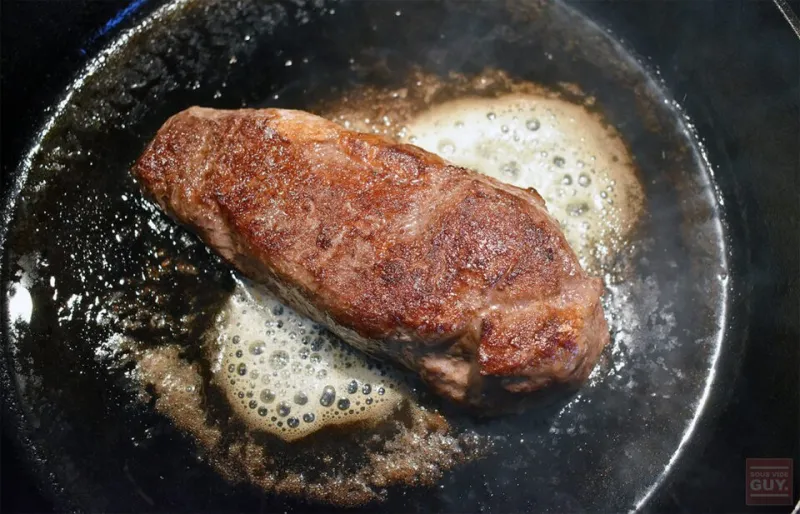
3. Smothered Pork Chops (technique: building gravy). Sear, remove, cook down a mountain of sliced onions, scrape up the browned bits, whisk in a little flour and stock, return the chops, and let the whole thing braise low and slow. This is the recipe that teaches you what "fond" means and why your grandmother never used a separate gravy pan.
4. Sunday Chili (technique: low, long simmering). Brown the beef, bloom the spices in the fat, add tomatoes and beans, then let it burble uncovered for two hours. The thick walls keep the heat even, so you get deep flavor without scorching — and it's even better reheated Tuesday.
5. Whole Braised Chicken (technique: braising, start to finish). Sear the bird on all sides, remove, cook carrots, celery, and onions in the drippings, pour in a cup of stock or white wine, return the chicken, lid on, into a 325°F oven for about an hour. What comes out is fork-tender, and the pan juices are basically a sauce gift.
Cook those five and you've baked, layered, seared, simmered, and braised. There is genuinely nothing left the pot can throw at you.
Stop Displaying It, Start Feeding People
The best thing about a Dutch oven isn't the crust on the bread or the crust on the chops — it's that it makes generosity easy. These are big-format meals by design. There's always another ladle of chili, always another slice of that loaf, always room for one more person at the table. That's not a flaw in the design. That's the whole point.
So pull it down off the top of the fridge. Give it a scrub if it needs one. And this week, let the heaviest thing in your kitchen also be the most used. Your full plate will thank you.